Stress is a natural part of life and an important survival response designed to help us react to challenges and potential threats. Work pressures, financial demands, relationships, busy schedules, and everyday responsibilities can all place stress on the mind and body. In short bursts, stress can even be beneficial—motivating us to act, stay alert, and respond quickly when needed.
However, when stress becomes ongoing or overwhelming, the body can remain stuck in a constant state of tension and alertness. This prolonged activation of the nervous system can begin to impact both physical and mental health, contributing to fatigue, muscle tightness, anxiety, poor sleep, headaches, reduced concentration, and lowered immune function.
The body’s natural “fight-or-flight” response is designed for short-term survival, not long-term living. When the nervous system is repeatedly triggered without adequate recovery, stress hormones such as cortisol and adrenaline remain elevated, placing strain on the body over time. Many people begin to carry this stress physically through tight shoulders, jaw tension, headaches, lower back pain, digestive issues, and chronic fatigue.
How Massage Therapy Supports Stress Recovery
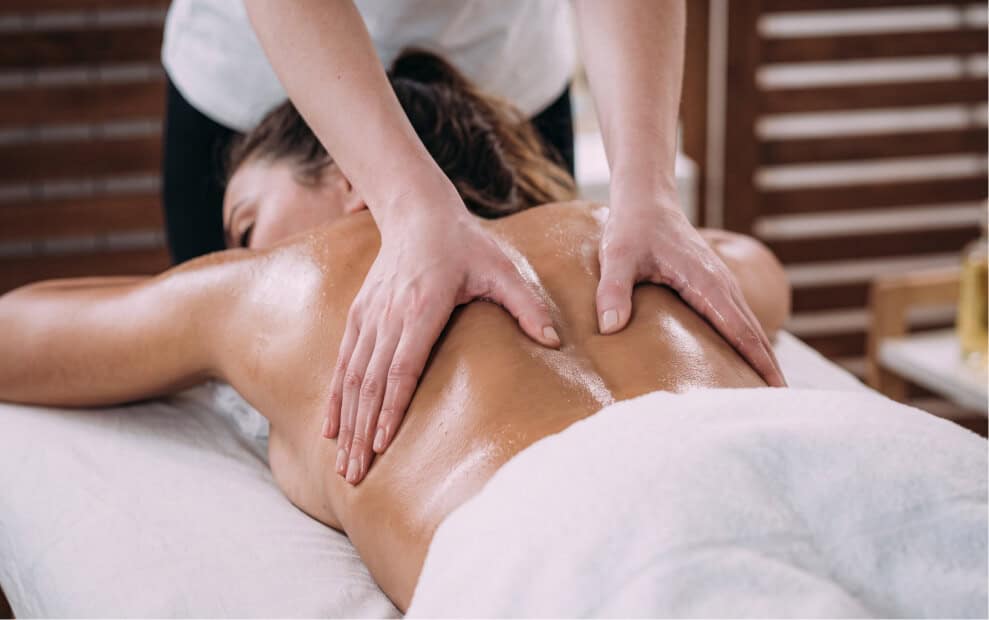
Massage therapy can play a powerful role in helping the body regulate and recover from stress. Through therapeutic touch and targeted techniques, massage encourages the nervous system to shift from a heightened stress response into the calmer parasympathetic state, often referred to as “rest and digest.” This allows the body to slow down, relax, and begin restoring balance.
Massage also helps reduce muscular tension, improve circulation, support deeper breathing, and encourage better sleep quality—all of which are essential for stress recovery. Many clients notice they feel mentally clearer, emotionally calmer, and physically lighter after treatment.
Over time, regular massage therapy may also help improve resilience to future stress. When the body experiences consistent periods of relaxation and recovery, the nervous system becomes better equipped to respond to challenges without remaining stuck in a prolonged stress state.
Stress may be unavoidable, but staying trapped in it doesn’t have to be. Supporting the body through recovery, relaxation, and self-care can lead to improved wellbeing, greater resilience, and a healthier balance between mind and body.