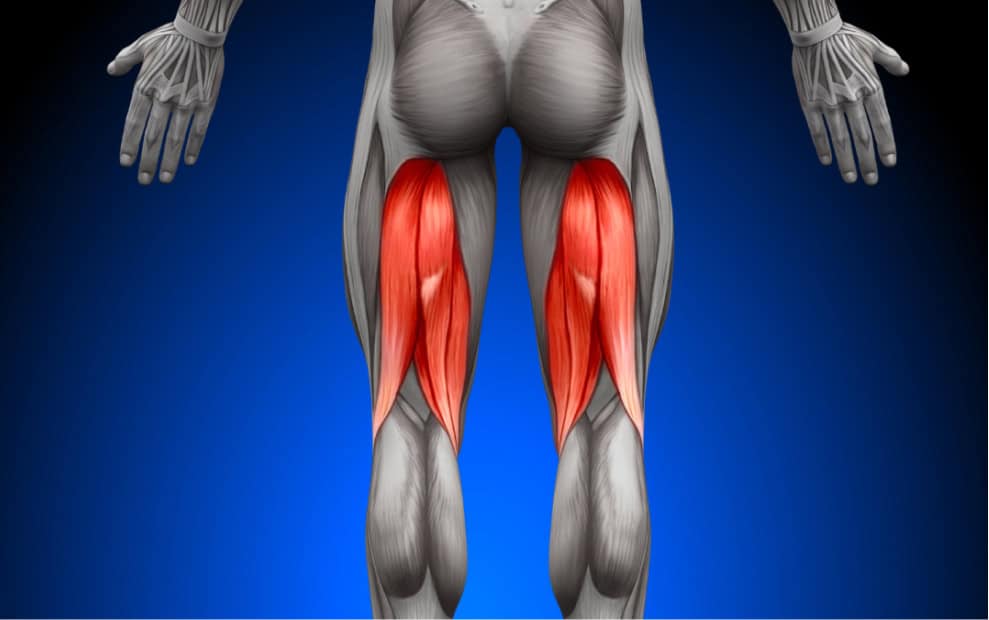
The hamstrings are one of the largest and most powerful muscle groups in the body, playing a key role in walking, running, jumping, and overall lower-body stability. Hamstrings are heavily used in both everyday movement and athletic performance, they are also highly prone to tightness, strain, and injury if not properly maintained.
Massage therapy is one of the most effective ways to support hamstring health by reducing muscular tension, improving flexibility, and encouraging better circulation through the tissue. When combined with Dry needling, recovery and muscle function can often be enhanced even further, particularly for athletes or individuals with chronic tightness or recurring injury patterns.
How dry needling works
Dry needling works by targeting myofascial trigger points — small, hypersensitive knots within the muscle that can restrict movement and contribute to pain or stiffness. By stimulating these points, dry needling can help release deep muscular tension that may be difficult to access through manual therapy alone.
Another key benefit is improved blood flow. The controlled micro-stimulation created by the needles encourages a local healing response, increasing circulation to the affected area. This helps deliver oxygen and nutrients to the muscle tissue, supporting repair and recovery.
Dry needling can also help modulate pain by influencing how the nervous system processes pain signals. This may reduce the sensation of discomfort and activate the body’s natural pain-relieving mechanisms. When combined with massage, these techniques work together to:
- restore normal muscle length,
- improve flexibility, and
- enhance neuromuscular function.
This means the hamstrings are not only more relaxed, but also better able to activate and coordinate effectively during movement.
Over time, regular treatment can help reduce the risk of re-injury, improve performance, and support long-term hamstring health — keeping the body moving more freely, efficiently, and comfortably.